
Storm Riders: Why Some Trail Junkies Ride Their Motorcycles Better in the Rain
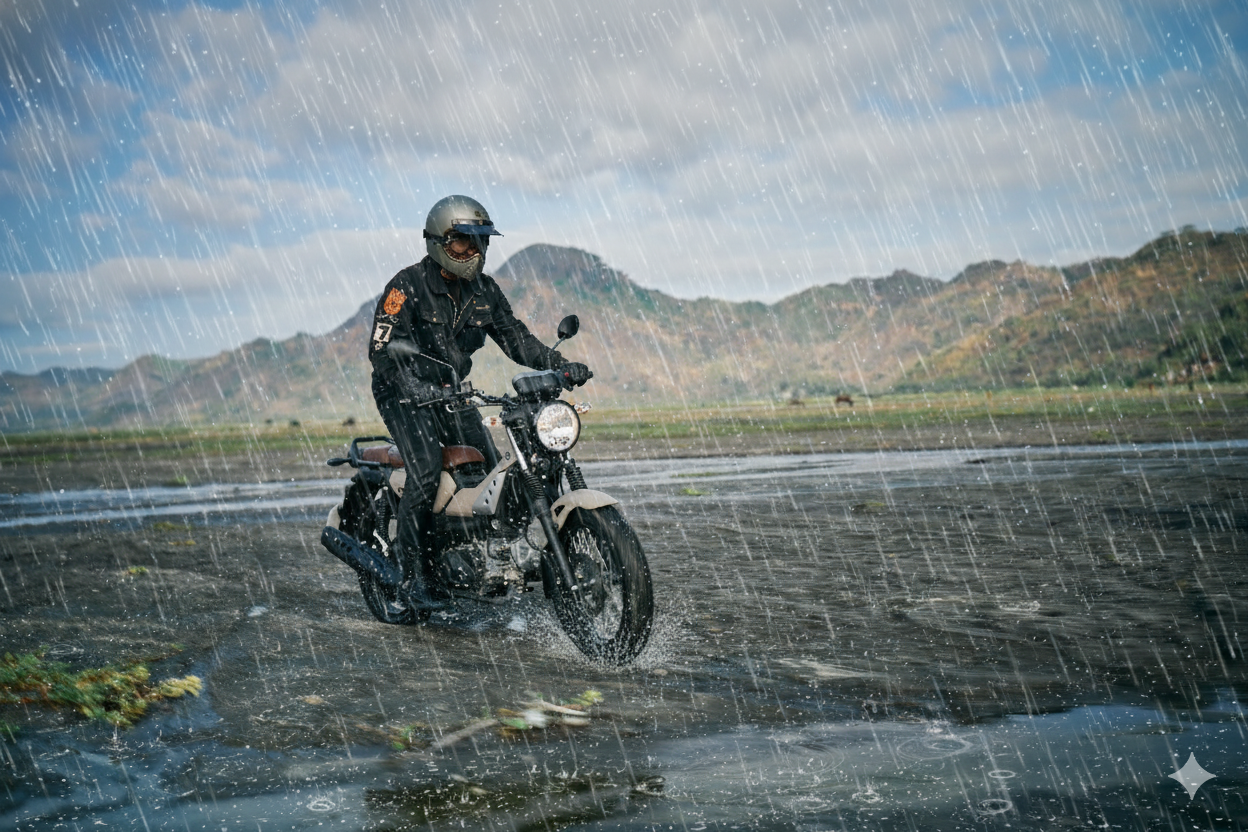
Some riders don’t cancel when the weather turns ugly. In fact, they look forward to it.
When clouds stack low, rain needles the ground, and fog wraps the trail tight, they load up anyway. Not out of recklessness, but out of understanding.
Bad weather doesn’t make riding worse.
It makes riders better.
Among Yamaha trail veterans, rain isn’t something to avoid. It’s where real training happens. According to Carlos Castaño, Founder of Sendr, PMBIA Certified MTB Coach, and Ride Guide, riding your motorcycle in the rain is one of the fastest ways to distinguish riders who simply react from those who truly know how to read the trail.

Why Riding a Motorcycle in the Rain Makes Better Riders
In perfect conditions, everyone looks capable. Tires hook up. Lines forgive mistakes. Confidence comes cheap.
Rain strips that away instantly.
Balance. Braking. Line choice. Body position. Commitment.
Every weakness shows up fast and without mercy.
Rain forces riders to slow their thinking and speed up their awareness. Veterans know this trade-off well. Minor lapses grow teeth. Adaptation becomes survival, and survival turns into skill.
As Carlos often explains to riders he coaches, if you can stay smooth in the wet, you’ll dominate in the dry. Rain trains discipline. It punishes panic. It rewards patience and precision.

Reading Wet Trails: It’s a Language, Not a Guess
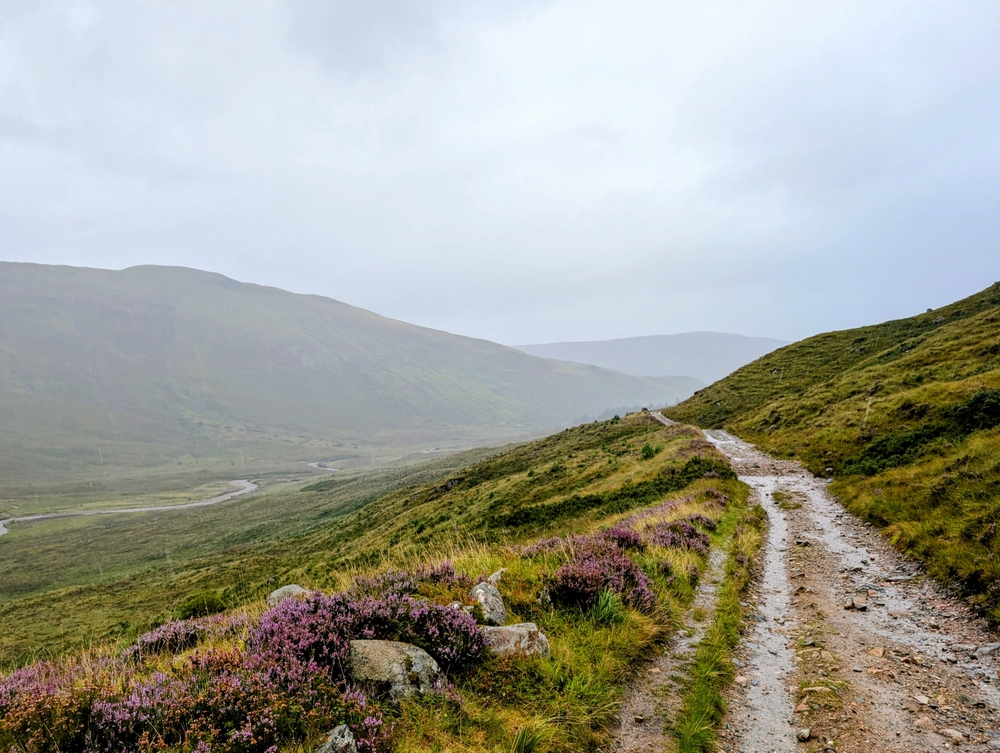
Storm riders don’t guess their way through slick terrain. They read it.
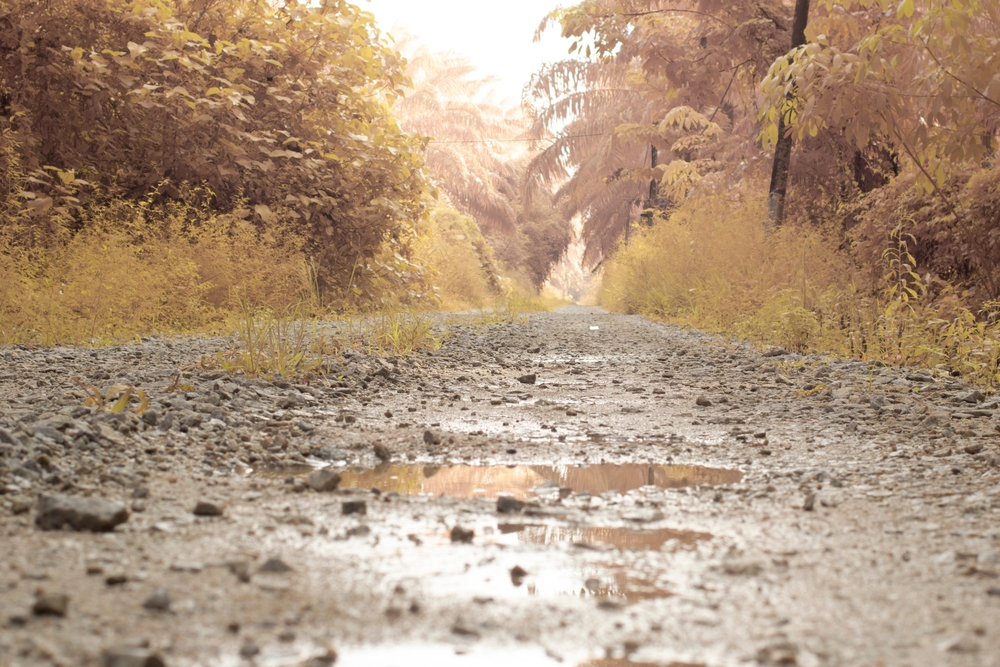
Mud tells you when to float instead of dig.
Rocks warn you before they turn glassy.
Roots shine like danger tape.
Puddles hide ruts that want to swallow your front wheel.
Off-camber slopes demand full commitment or nothing at all.
Veterans don’t fight these signals. They listen.
Rookies usually discover this the hard way. Riding their motorcycles in the rain exposes how much they’ve been relying on good conditions instead of real awareness. It reveals shaky motorcycle steering techniques, habits they didn’t know they had, and skills they haven’t fully developed yet.
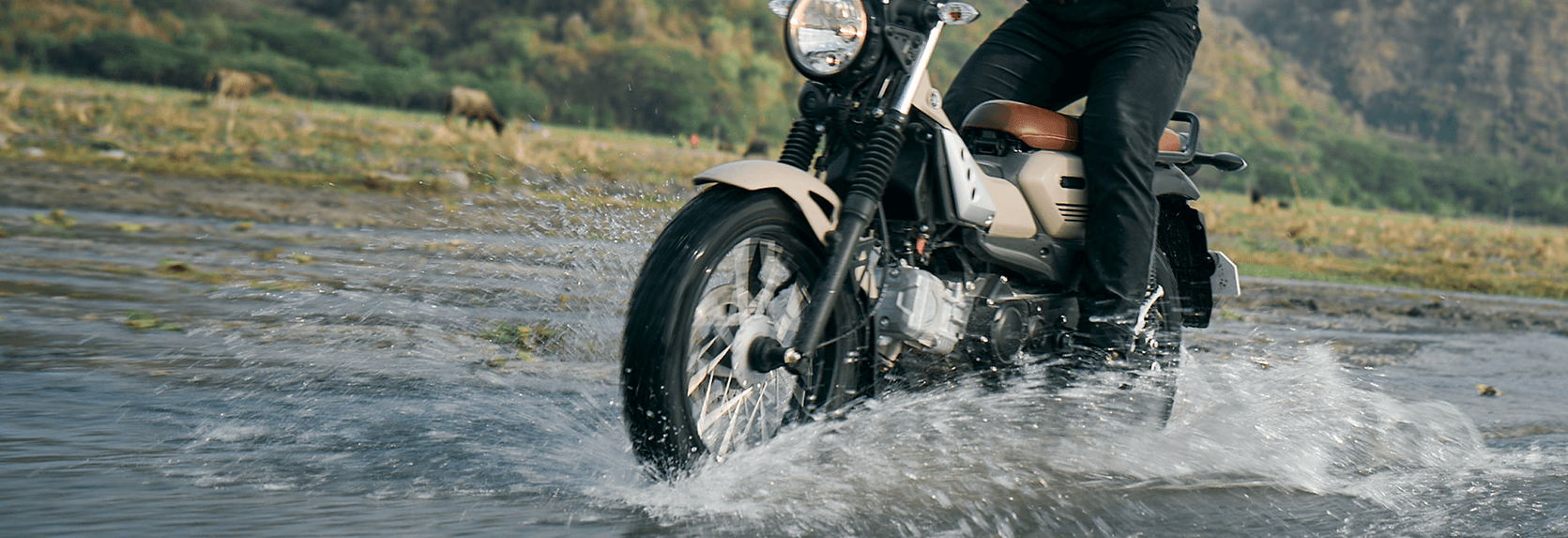
On the PG-1, nothing is muted or hidden. You feel the trail as it is: every shift in grip, every sketchy moment, every reward for doing it right. The bike responds to every input, and attention isn’t optional. It’s how the ride works.
Wet-Weather Technique: Loose, Centered, Alive
Rain tightens everything, especially riders.
Grip too hard, and the bike slips without you.
Lean too far back, and the front washes.
Too far forward, and you’re skating on faith.
The rule in the wet is simple but unforgiving:
Stay loose. Stay centered. Stay active.
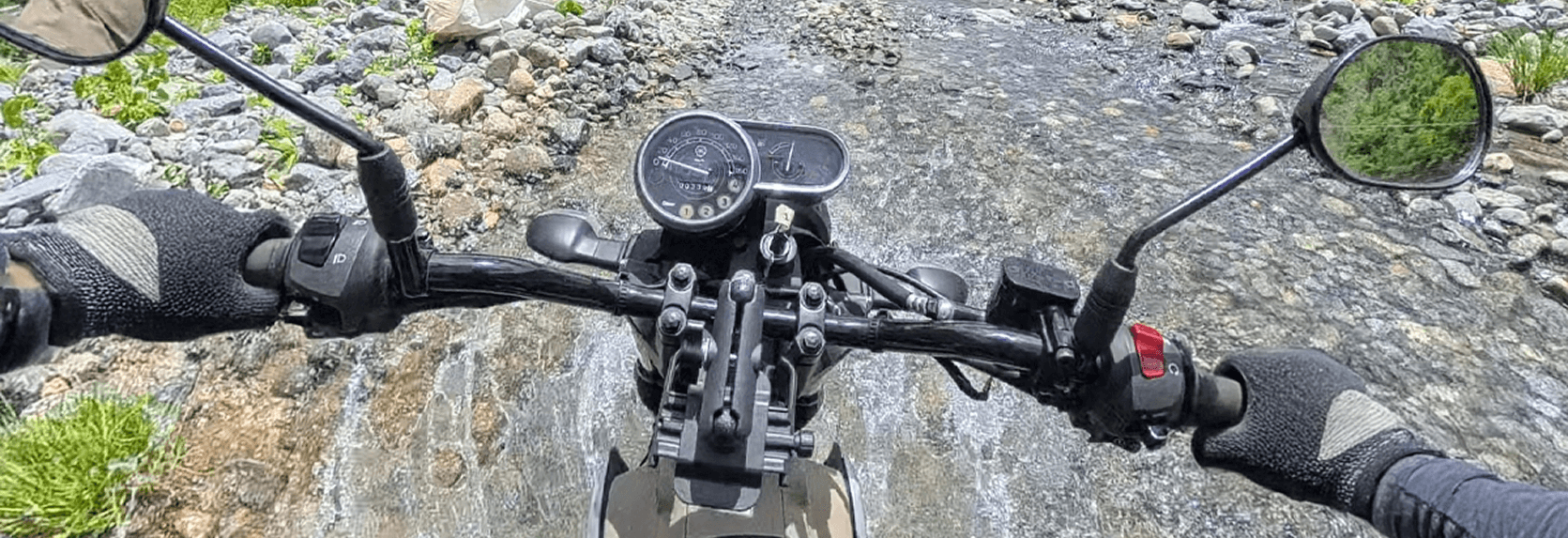
When riding through the rain, storm riders flow with the bike instead of fighting it. They stay balanced, let the trail move beneath them, and keep their inputs smooth. The PG-1 responds best to that trust. Panic breaks the flow instantly.
Momentum becomes stability. Hesitation becomes risk.
You don’t fight mud; you glide across it.
Braking in the Wet: Precision Over Power
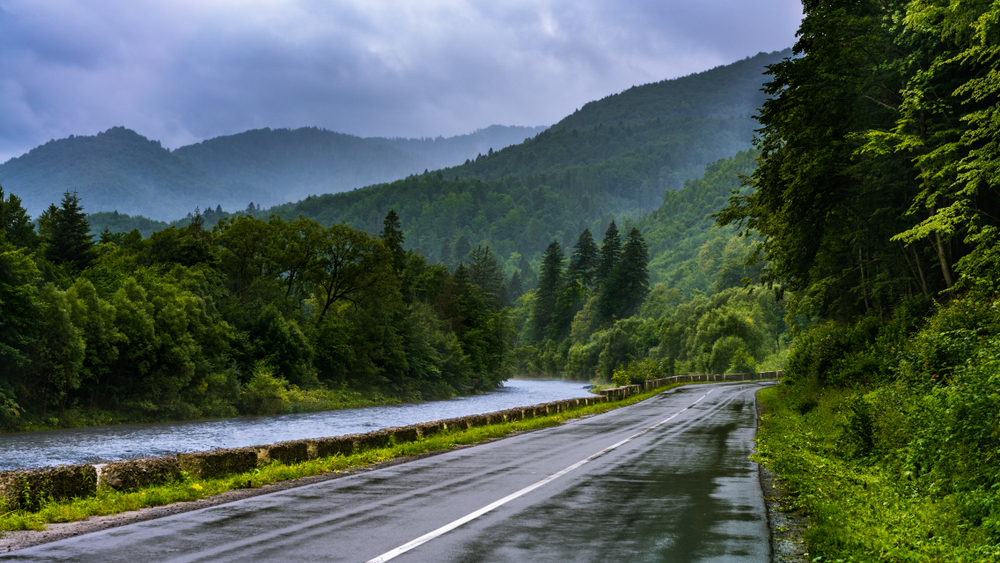
Rain tears through egos in a flash.
The front brake feels sharper and more dangerous.
The rear brake wants to fishtail the moment you overdo it.
Storm riders don’t brake harder. They brake smarter.
Control comes from keeping things connected. Storm riders stay smooth, avoid sudden braking, and let the bike keep moving. That steady flow helps the tires find grip, and smooth inputs keep small mistakes from turning into big ones.
As Carlos teaches, the wet forces you to feel the ground instead of forcing it. It trains restraint. It builds trust between rider, machine, and the motorcycle gear meant to support, not replace, good technique.
The Mindset That Separates Storm Riders
This is the real reason rain riders improve faster.
They expect uncertainty.
They accept discomfort.
They don’t demand perfection from the trail or themselves.
You learn to breathe when things go sideways.
You learn to stay calm while everything feels unstable.
You learn to commit to the line you chose, even when doubt creeps in.
Motorcycle riders used to the rain don’t panic when things get rough. They’ve already learned how to move through disorder. That confidence carries into every challenge the trail throws at them.
Storm riders don’t just survive bad conditions.
They study them.
They sharpen themselves in them.
And when the skies finally clear, it shows.
Think You’re Ready for More?
Don’t wait for perfect conditions to find your people. Join the ROVE Yamaha Outdoors Club and ride alongside those who value resilience, real learning, and time spent outside. This is where committed riders push each other forward and grow—on the trail and beyond.
The outdoor
is waiting!