The Guide to
Embracing the
Great Outdoors
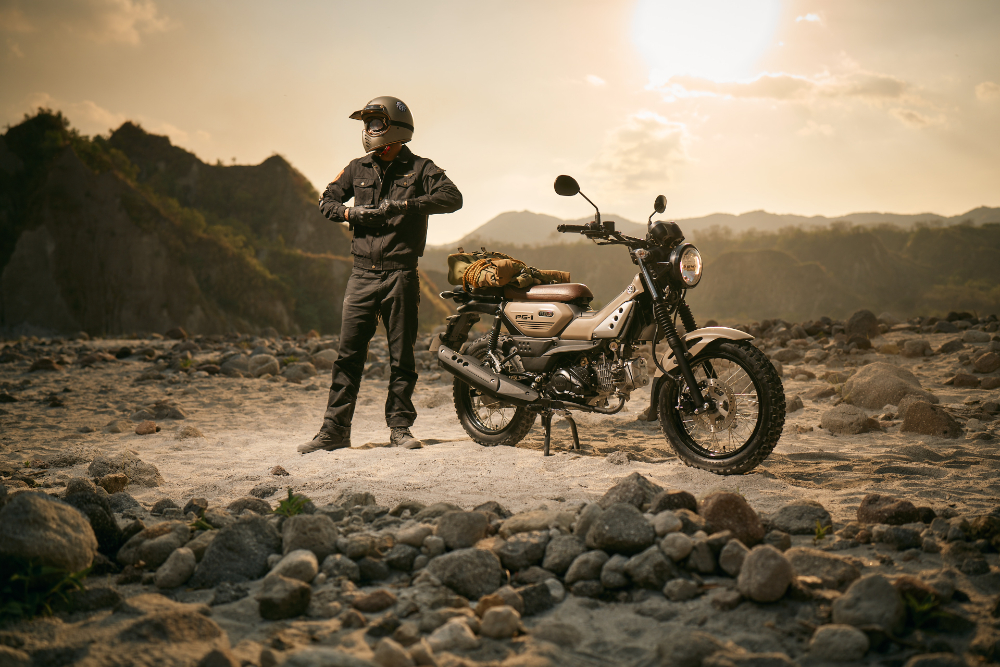
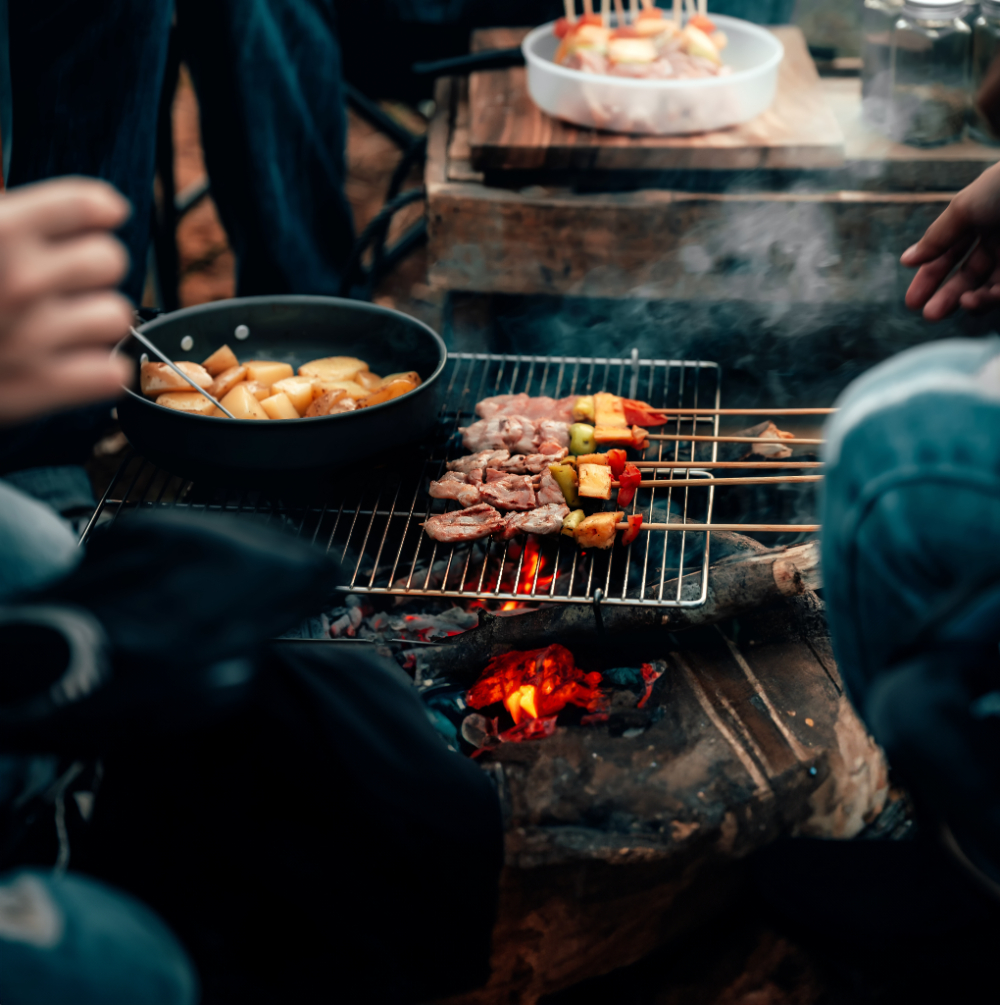
We have compiled a motorcycle camping guide for adventurers who
are not afraid of the wild. Read our tips about campsite setups, essential
gear, outdoor safety, and secrets to an immersive camp experience.
Moto-Camping Necessities
Moto-camping works best when your gear is simple, reliable, and easy to manage. Every item should support comfort and safety without weighing you down.
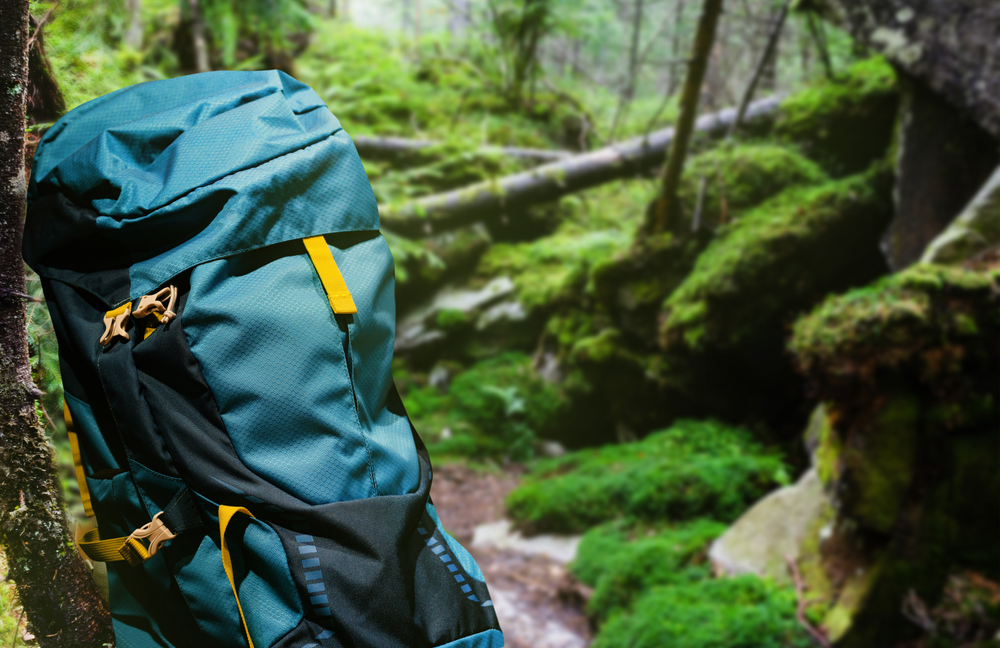
Waterproof luggage
Weather changes fast outdoors. Waterproof luggage protects your clothes, food, and electronics from rain, river crossings, and morning dew. Roll-top bags and sealed panniers also help keep dust out during long trail rides.
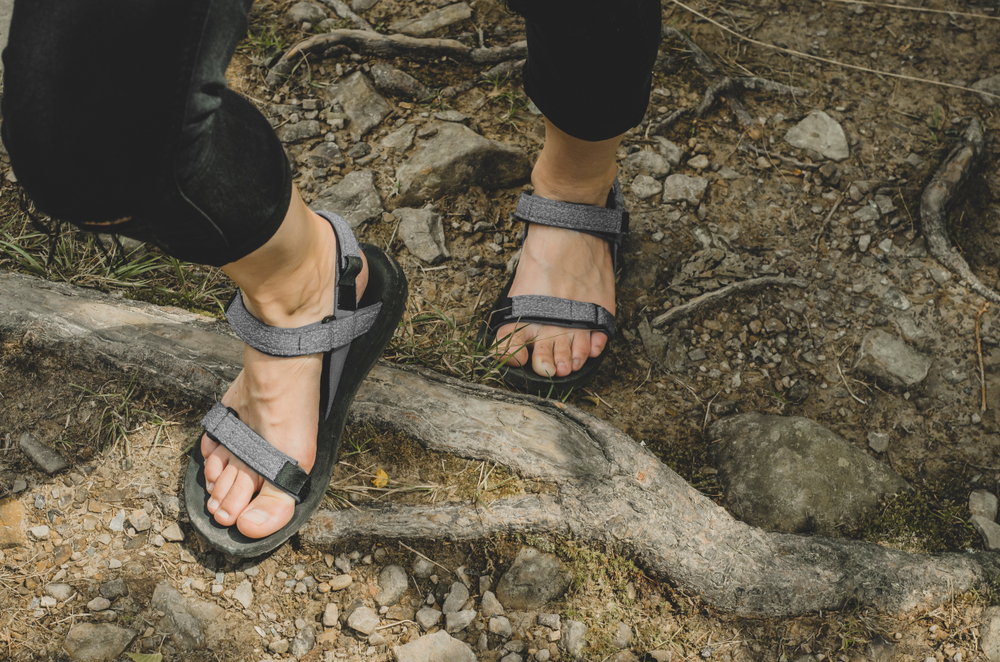
Trekking sandals
After a full day in riding boots, your feet need a break. Trekking sandals are light, quick to dry, and stable enough for walking around camp, collecting firewood, or heading to a nearby stream.
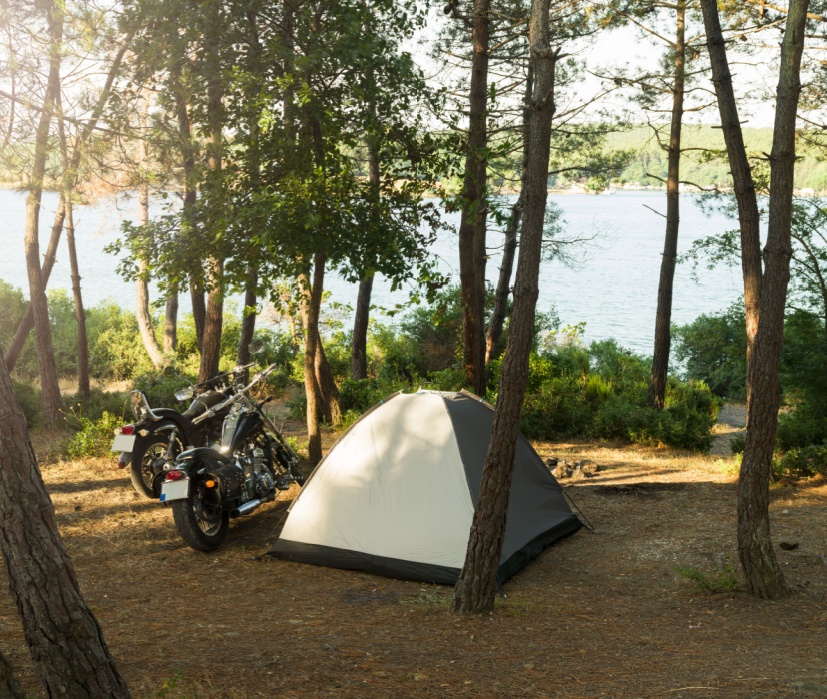
Tent or hammock
Your shelter sets the tone for the night. A tent offers full protection from wind and insects. A hammock works well in forested areas and saves space. Choose what suits your riding route and comfort level.
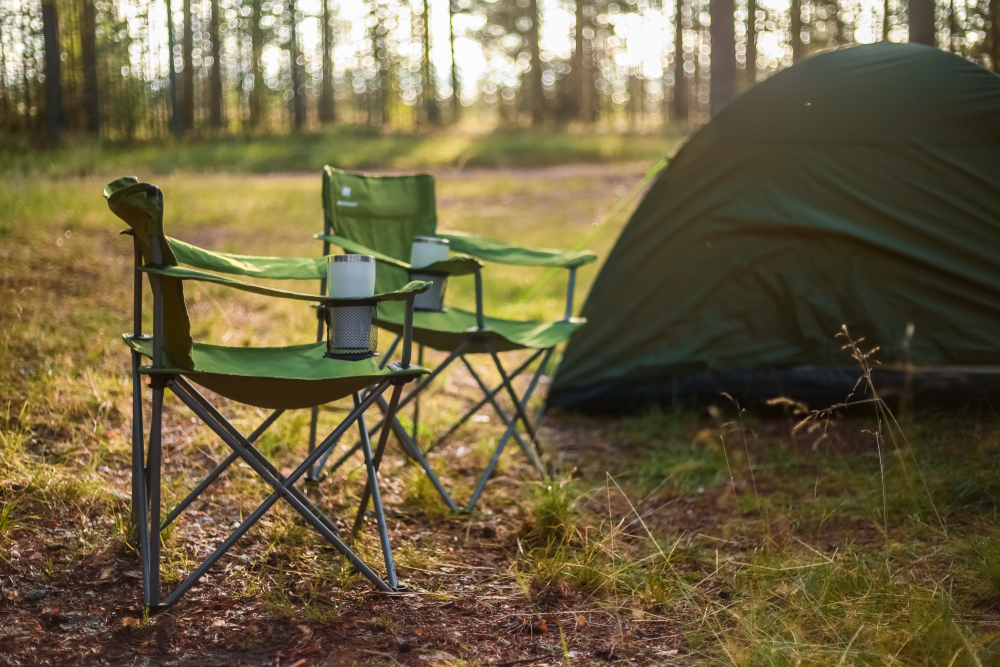
Camping chairs or table
A compact chair or folding table adds comfort after hours on the bike. It makes cooking, eating, and resting easier, especially on longer trips.

Camping lights or flashlight
Good lighting is essential once the sun goes down. Headlamps keep your hands free for cooking and setup. Remember always to carry spare batteries or a backup light.
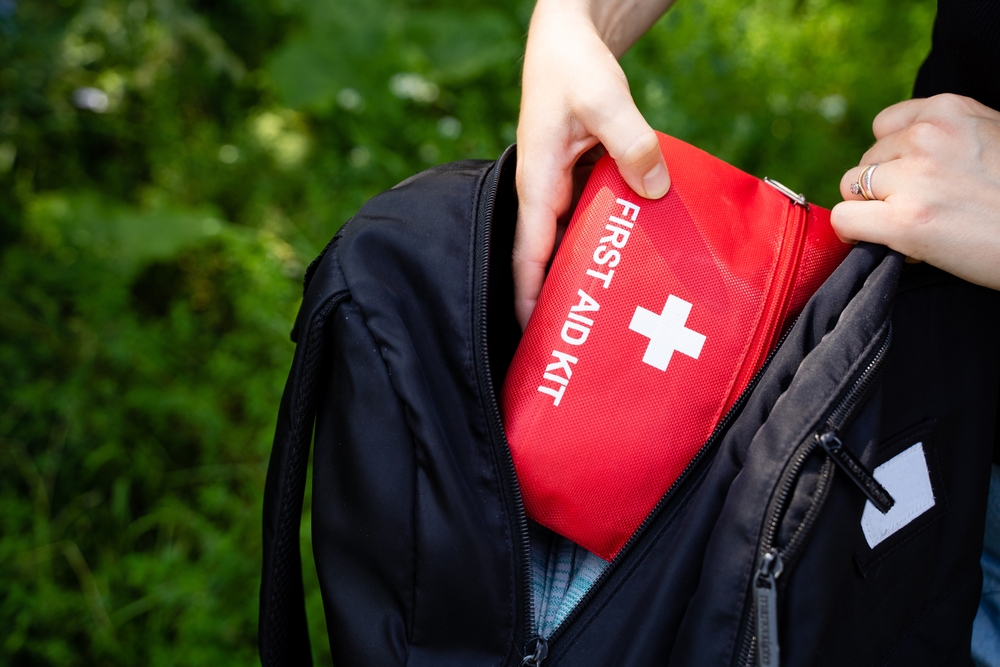
First Aid Kit
Minor injuries happen. A basic kit with bandages, antiseptics, and pain relief helps you stay on the trail and handle small issues early.
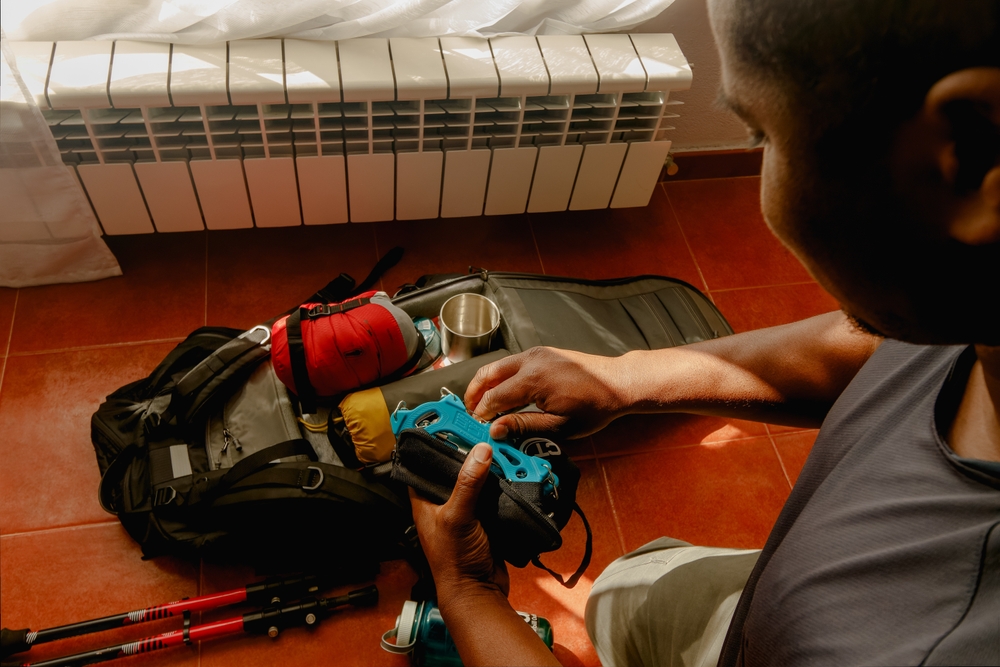
Tips for Packing for a Motorcycle Camping Trip
How you pack affects how the bike rides. Smart packing improves balance and reduces fatigue.
Motorcycle Outdoor Camping Tips
Strong camp habits help you rest better and ride safer the next day.