
Riding Responsibly with Flora and Fauna in the Philippines
The flora and fauna in the Philippines are what make every ride through the country’s wild spaces unforgettable. As an ecologically rich nation, being able to explore these landscapes on a motorcycle is a privilege, not a guarantee.
The mountains, forests, and valleys we ride motorcycles through are home to species found nowhere else in the world. When the terrain shifts into deep greens and rugged earth, you’re entering an ecosystem that existed long before any motorcycle trail was formed. Respecting that space is part of being a responsible rider and camper.
The real adventure isn’t only in conquering a route; it’s in understanding the life it holds, the species it shelters, and the delicate balance that keeps these environments thriving. Riding responsibly means appreciating the land more than scenery.
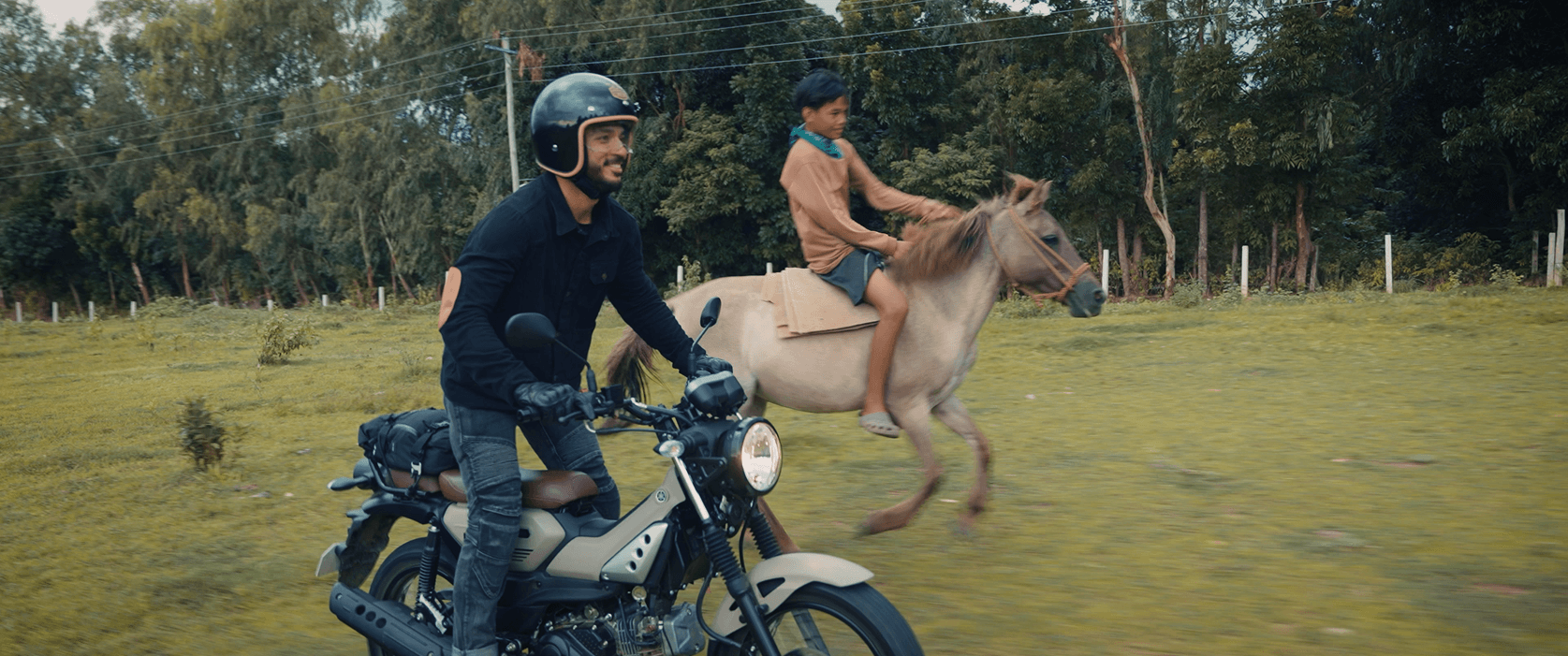
The Philippines’ Flora and Fauna: Biodiversity Worth Protecting
There’s a reason why the Philippines is starting to double down on its ecotourism practices, and that’s because it’s one of the world’s recognized mega-diverse countries, home to thousands of indigenous and native species of plants and animals. With our tropical forests, mountain ranges, and untamed ridges, riders often pass through environments that scientists have studied for years. Knowing what lives alongside the trail builds a deeper appreciation for the journey.
These wild areas aren’t just scenic backdrops. They are living systems where everything plays a role in keeping the environment stable. Respecting the land begins with understanding it.
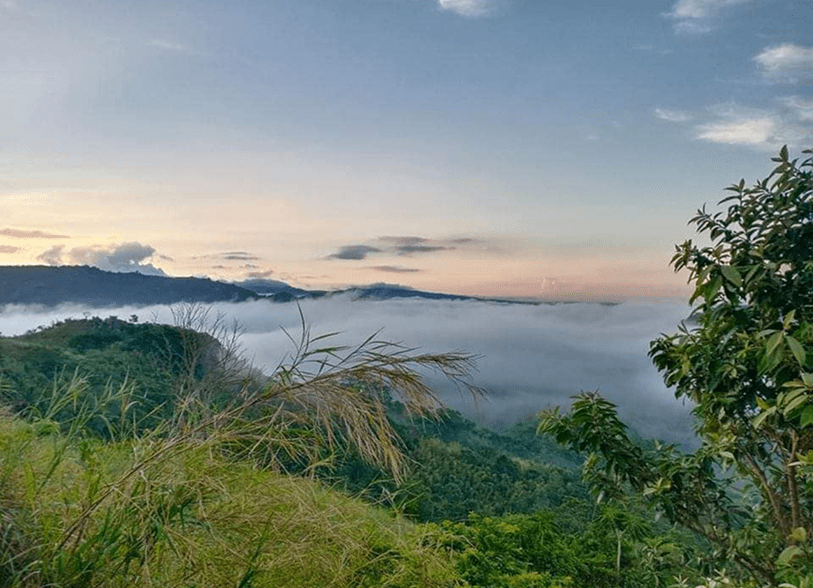
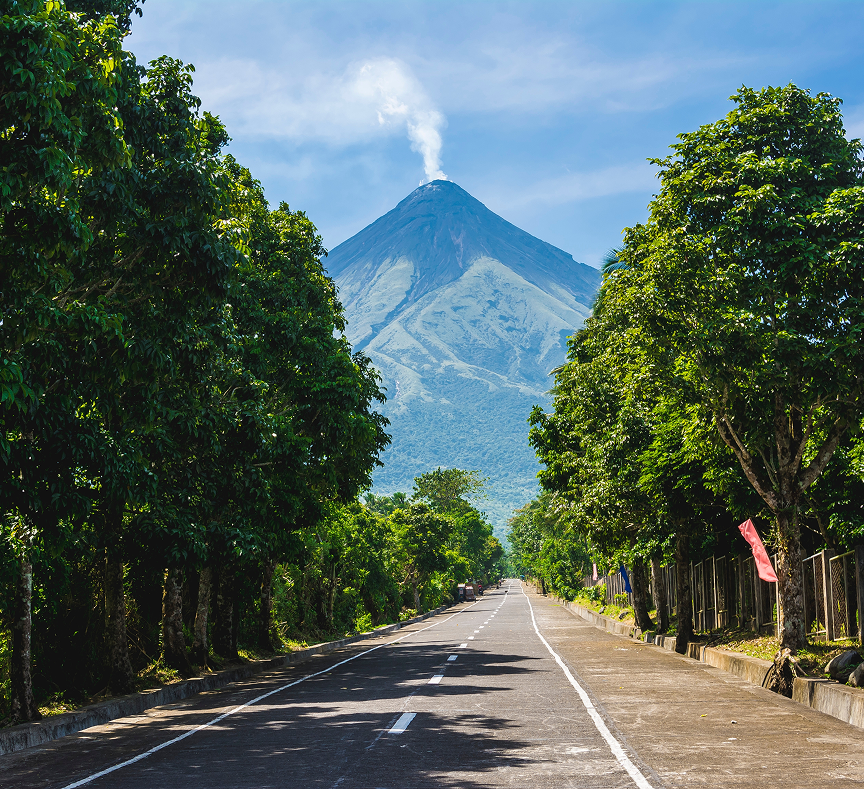
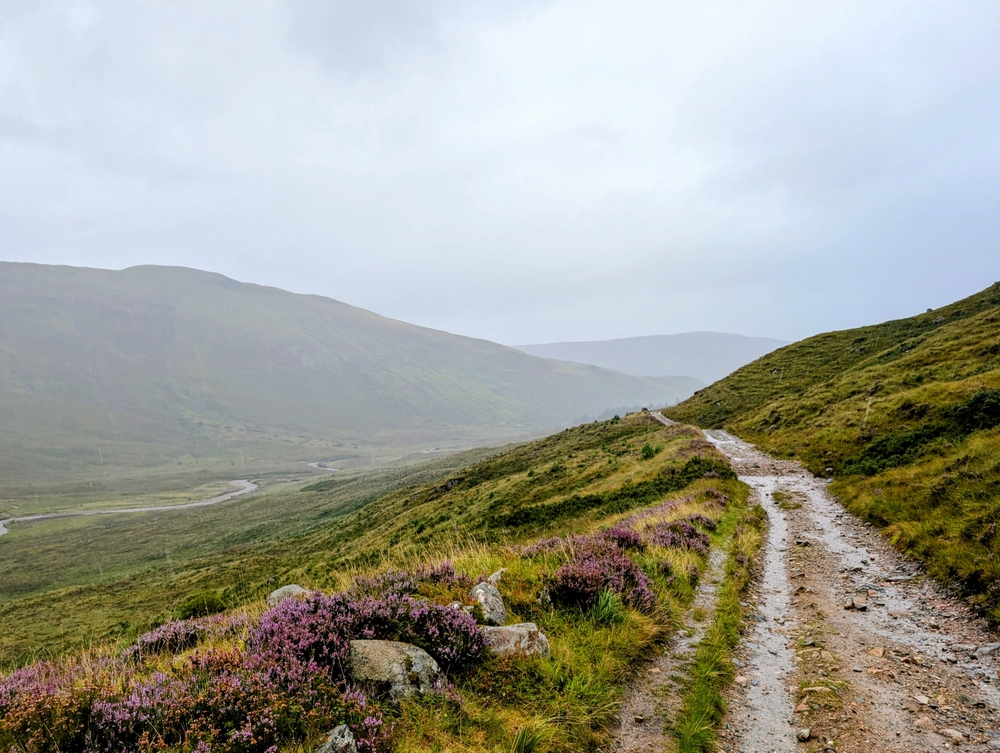
Flora on the Trail
Philippine motorcycle trails reveal an incredible variety of plant life that shifts depending on elevation, climate, and region. Riders often encounter species that silently support the ecosystem and make our destinations what they are.
Lowland Forest Flora
In areas like Rizal or Laguna, you’ll find narra, acacia, and mahogany lining the trails. These giant trees provide shade, prevent soil erosion, and support various animals. Ferns also thrive here, thriving in damp soil and acting as indicators of a healthy forest floor.
Mossy Forest Species
Higher elevations such as Mt. Banahaw, Mt. Pulag, or Mt. Ugo often lead you into mossy forests. Trees are shorter, covered in thick moss, and surrounded by pitcher plants and orchids. These areas feel more mystical than tropical, and they are incredibly delicate. Even a single misplaced footstep can damage plants that took years to grow.
Endemic and Protected Plant Species
Some off-road motorcycle trails showcase rare species such as jade vine, balete, and various endemic orchids. Many of these plants are threatened by illegal harvesting or habitat destruction, making rider awareness crucial. Staying on marked paths isn’t just for safety; it’s key to preventing accidental damage to these indigenous species.

Fauna on the Trail
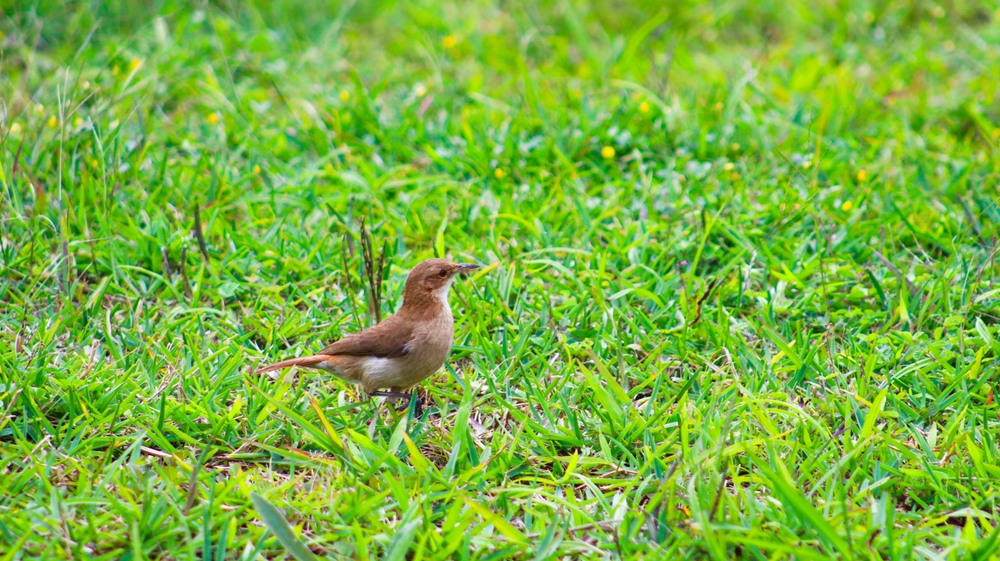
The Philippines’ wildlife is just as diverse and impressive as its plants. Riders who pay attention often spot tracks, birds,
and even elusive mammals that make each trail feel alive.
Birds and Small Mammals
Many forests are home to kingfishers, Philippine macaques, and cloud rats. These animals are sensitive to sound, movement, and sudden disturbances, which means responsible riding helps keep their habitats intact.
Insects and Pollinators
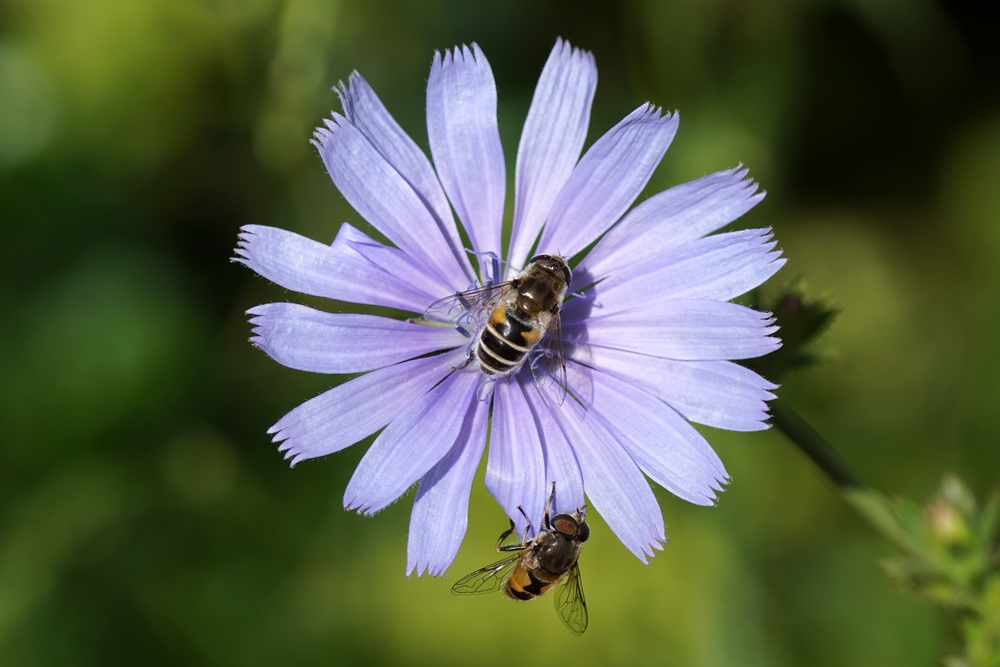
Bees, butterflies, and beetles play critical roles in forest regeneration. While easy to overlook, they maintain the health and continuity of the ecosystem. Avoiding litter and chemicals ensures these pollinators continue doing their job.
Larger Wildlife in Select Regions
In deeper mountains such as Sierra Madre or Banahaw, wildlife may include civet cats, monitor lizards, or endangered species like the Philippine warty pig. These animals rarely cross paths with riders unless provoked, making it important to keep distance and respect their territory.
Why Respecting Flora and Fauna Matters
Every plant, animal, and microorganism on the trail contributes to the stability of the environment. Damaging plants, disturbing wildlife, or leaving waste behind will disrupt that delicate balance. Trails deteriorate faster, erosion increases, and habitats grow weaker over time.
As riding grows in popularity, responsible behavior ensures that natural spaces don’t become overused or degraded. Respecting the land preserves the adventure for future riders while protecting communities that depend on eco-tourism and environmental health.
How Riders and Campers Can Protect the Outdoors
Riding responsibly isn’t complicated. Small choices make a big impact:
Where Riding Meets Responsibility
Whether you’re chasing adventure or exploring rugged routes for birdwatching, understanding the flora and fauna in the Philippines transforms every ride. The best riders protect the trails, appreciate the biodiversity, and respect the land that gives them freedom.
If you want to explore with purpose, join the Rove Yamaha Outdoors Club and ride with a crew that cares about every destination as much as the journey.