
Trail Conservation:
The Journey Before the Ride
Behind every great motorcycle trail is a village focusing on trail conservation – for some, it may even be a whole local government unit.
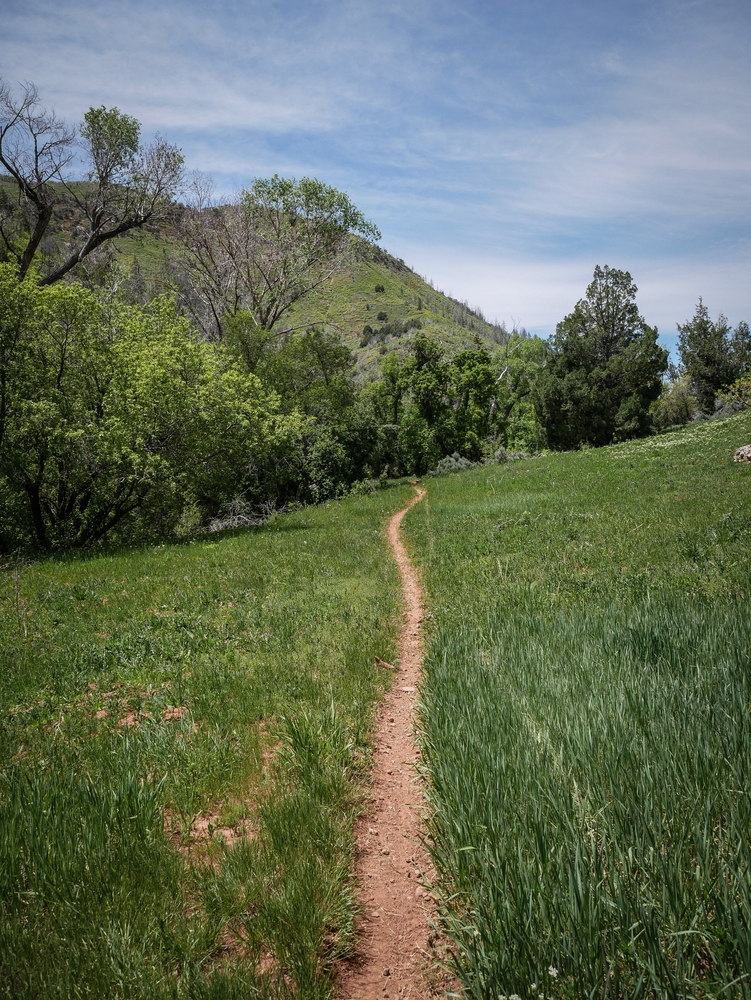
Every time your tires grip the soil or you reach a ridge that feels like the edge of the world, remember that the trail didn’t endure by accident. A clear path exists because someone carved it out, and a scenic viewpoint remains because locals fought to preserve it for riders seeking escape.
Far from the city’s noise, volunteers, farmers, guides, and local government units (LGUs) devote time and energy to these landscapes. These lands are closely tied to their identity and livelihood, ergo its care is paramount to them.
If we want these places to remain open and unforgettable, riders must understand the work that comes before the adventure. This is the part of the journey most riders never see, yet it determines whether the motorcycle trails we love will survive for years to come.
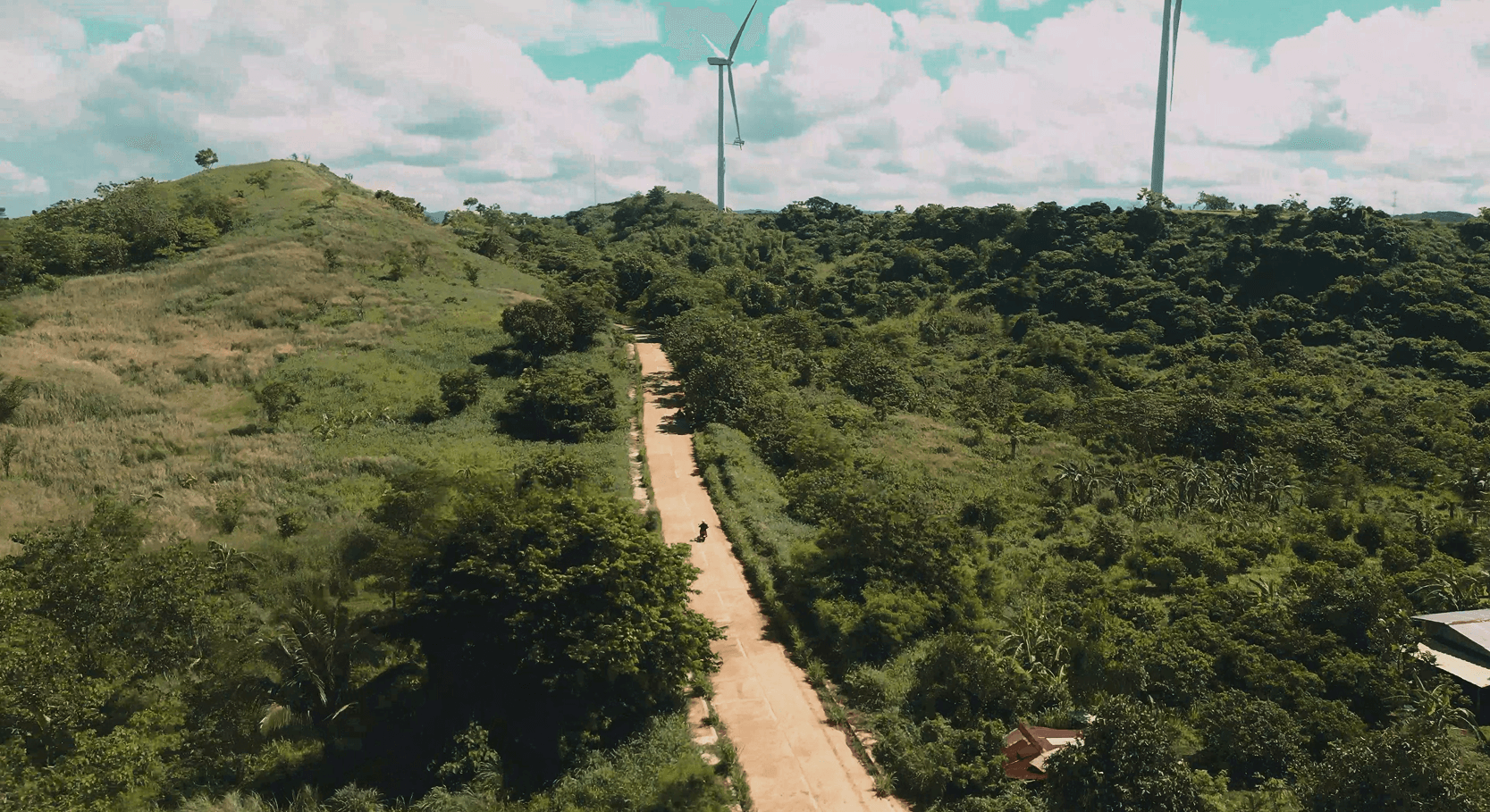
Why Trail Conservation Matters More Than You Think
Trails may look raw and untouched, but they are living systems requiring care. Without maintenance, erosion forms deep ruts, overgrowth hides the path, and landslides block access entirely. Trash may also build up in high-traffic areas, which can lead to a bigger disruption in the eco system. A trail that becomes unsafe eventually gets closed, and once it’s closed long enough, it often disappears from the riding scene altogether.
Trail maintenance protects more than the path itself.
It preserves the motorcycle riding culture, the sense of freedom we chase, and the connection between people and the land.
When we protect the trail, we protect the lifestyle that comes with it.
How LGUs Empower Local Communities to Sustain Trails
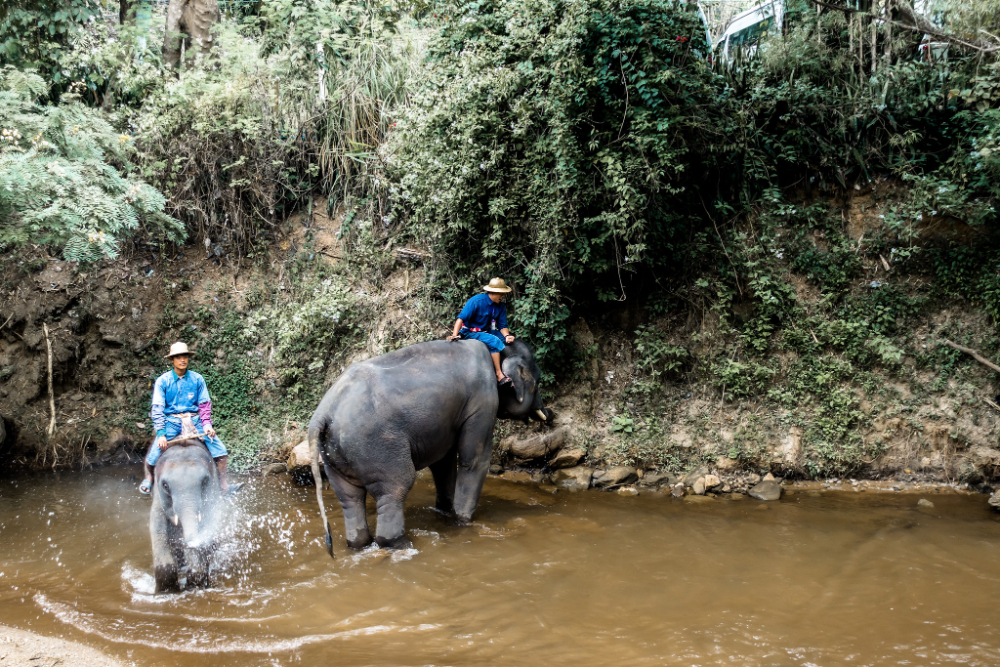
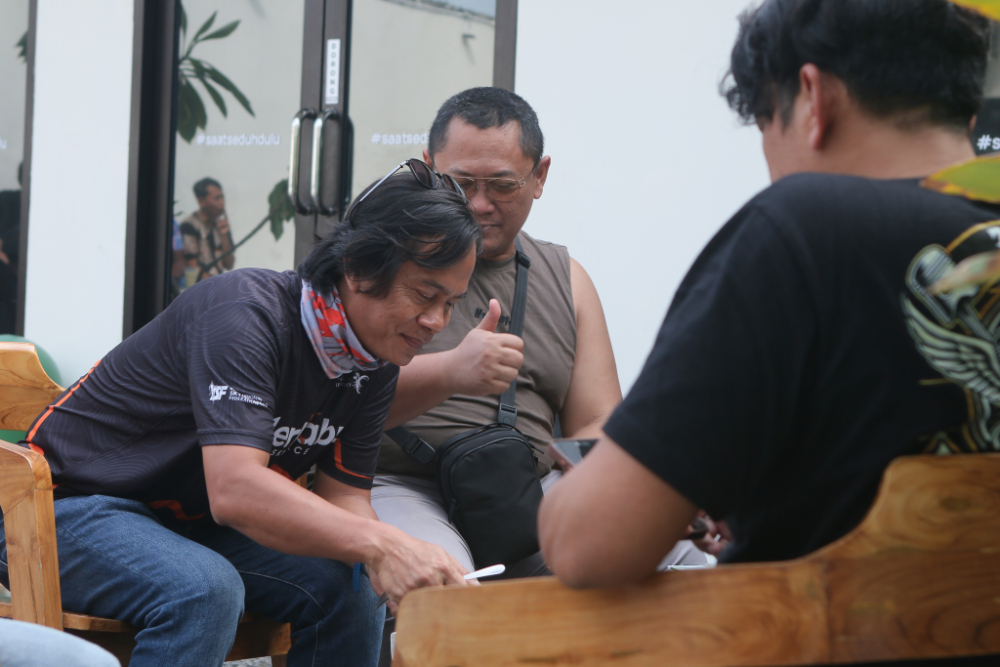
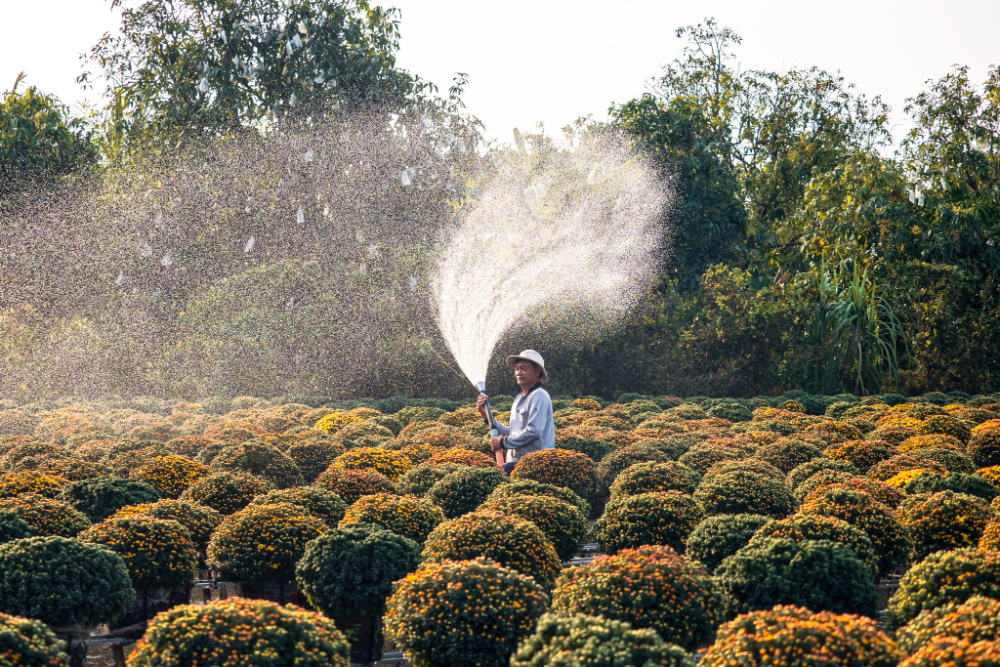
LGUs are essential in helping communities develop sustainable systems around their natural spaces. Their support and direction can transform trails into a source of livelihood, pride, and long-term environmental responsibility.
1. Livelihood and Local Opportunities
When a trail becomes popular, LGUs can find resources to make the following opportunities happen:
Every rider who visits contributes to the community’s income, giving locals genuine incentive to protect the area.
2. Economic Growth Through Tourism
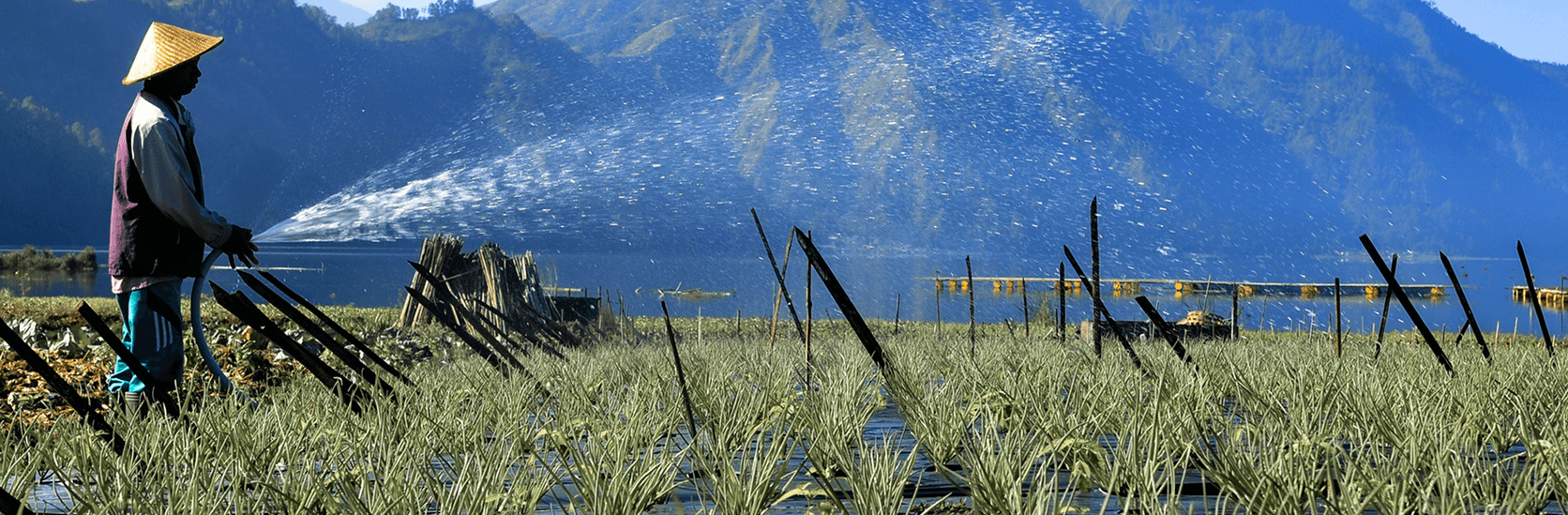
As more riders explore the trail, local economies grow. More tourists mean higher demand for food, fuel, and repair services, while entrepreneurs benefit from foot traffic and increased visibility. Events and group rides introduce new people to the area, helping the community thrive and offering families more stability.
3. Self-Funding Trail Maintenance
Some communities have implemented an environmental conservation fee to aid in trail protection. These fees make it possible for communities to maintain paths, upgrade facilities, and manage waste.

The Unseen Work of Barangays, Volunteers & Locals
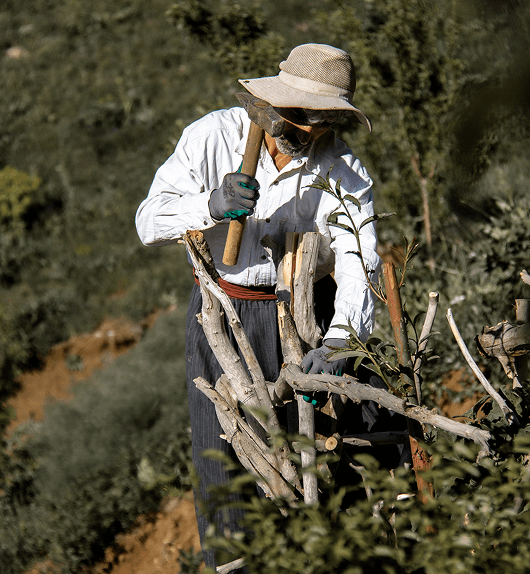
Before the first motorcycle even warms up, locals are already on the trail doing the kind of work riders rarely witness. Barangay teams clear debris after storms, farmers provide access through their land, and volunteers inspect the trail’s condition on foot. Youth organizations help pick up trash, local guides reinforce stream crossings, and elders negotiate access rights to ensure the trail stays open.
These efforts rarely make it onto social media. There are no ceremonies or grand acknowledgments — only dedication and pride.
Their work guarantees that the trails remain safe, navigable, and alive for the riders who depend on them.
How Ride Crews Can Protect Trails
Riding brings freedom, but with great freedom comes great responsibility – or so the saying goes. Every motorcycle club in the Philippines that rides through the country’s mountains leaves an impact, and every crew has the power to give something meaningful back.
Practice Leave No Trace Principles
Following these principles can help you minimize your impact on the trail and the environment.
Hire and support local guides
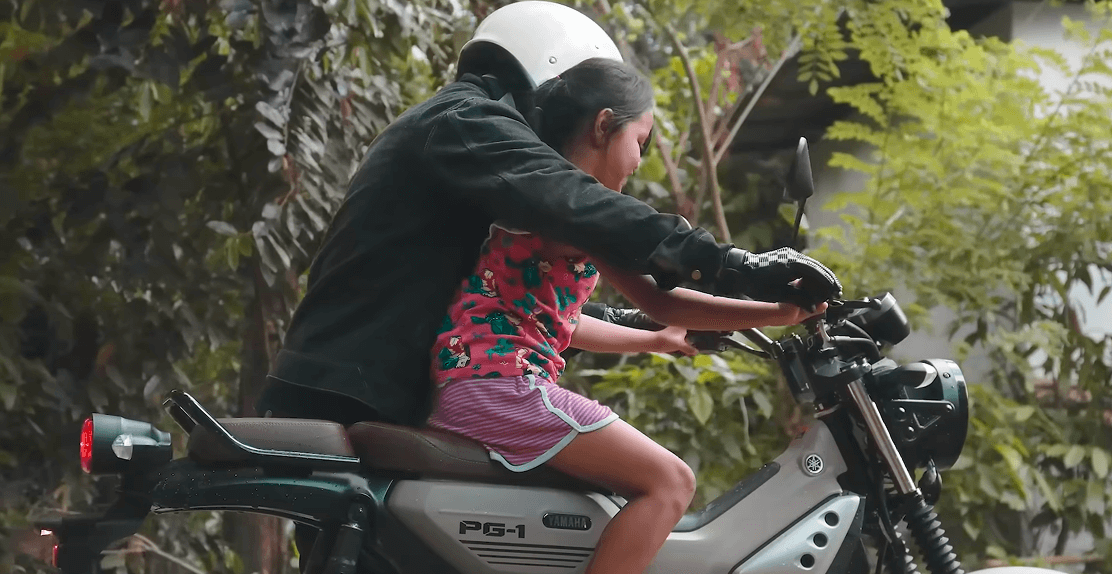
Your payment directly supports families and keeps the trail usable.
Respect checkpoints, fees, and local rules
These systems exist to protect both riders and the environment.
Promote responsible riding
Mindful riding reduces erosion and minimizes damage to the terrain.
The Truth to Trail Conservation That Every Rider Must Know
Remember that every unforgettable ride exists because someone cared for the trail long before you arrived. Communities protected it, barangays monitored it, and LGUs invested in it.
The next time your tires touch dirt, remember the people behind your adventure. Respect the land, support the community, and ride responsibly. Because without the communities that protect these landscapes, there would be no adventures to be had.
Join the Rove Yamaha Outdoors Club today.